
Quality Control
Consistent standards, strict inspections, and controlled production at every stage
Our Approach to Quality
At SINOXA, quality control is integrated into every step of the manufacturing process — not treated as a final checkpoint.
We focus on consistency, repeatability, and risk prevention to ensure that every batch meets the same standards.
Our goal is simple: deliver products that perform reliably in your market and reduce after-sales risk.
Multi-Stage Quality Control System
We implement a structured quality control system covering raw materials, production, and finished products.
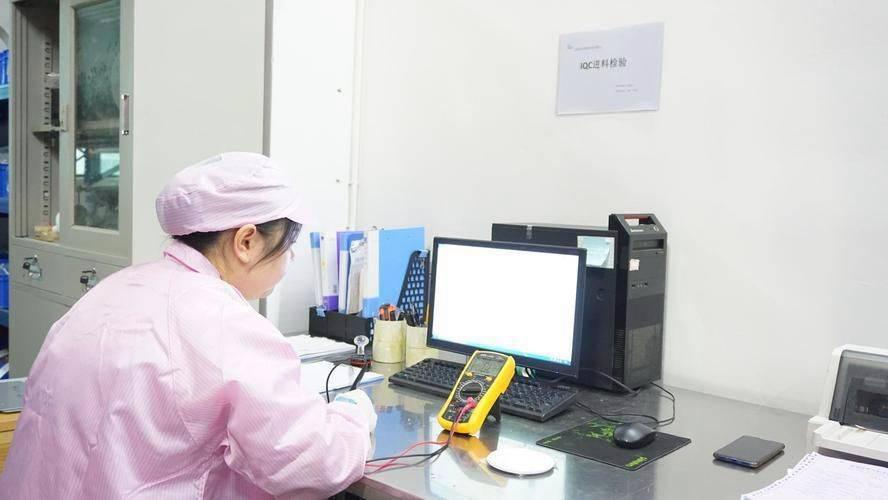
Incoming Quality Control (IQC)
- Inspection of raw materials and components
- Supplier quality verification
- Defect screening before production
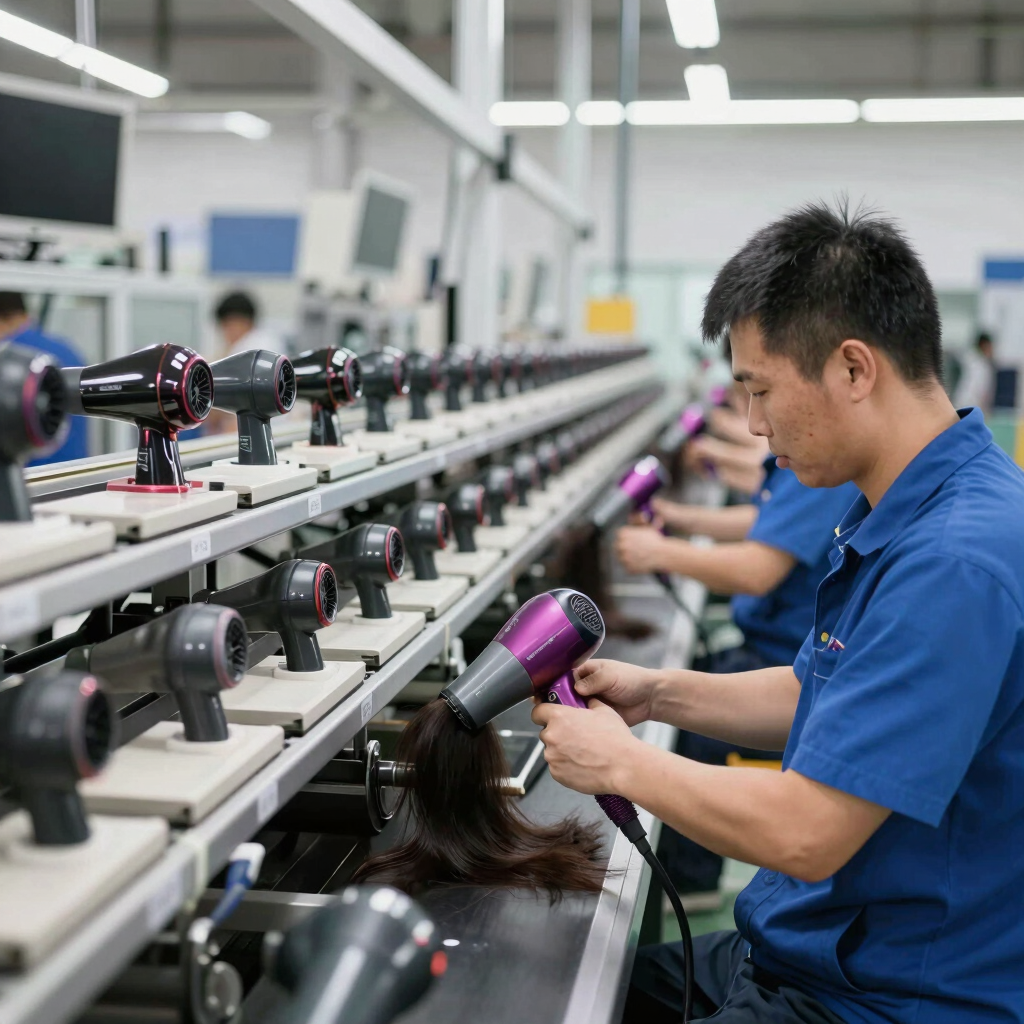
In-Process Quality Control (IPQC)
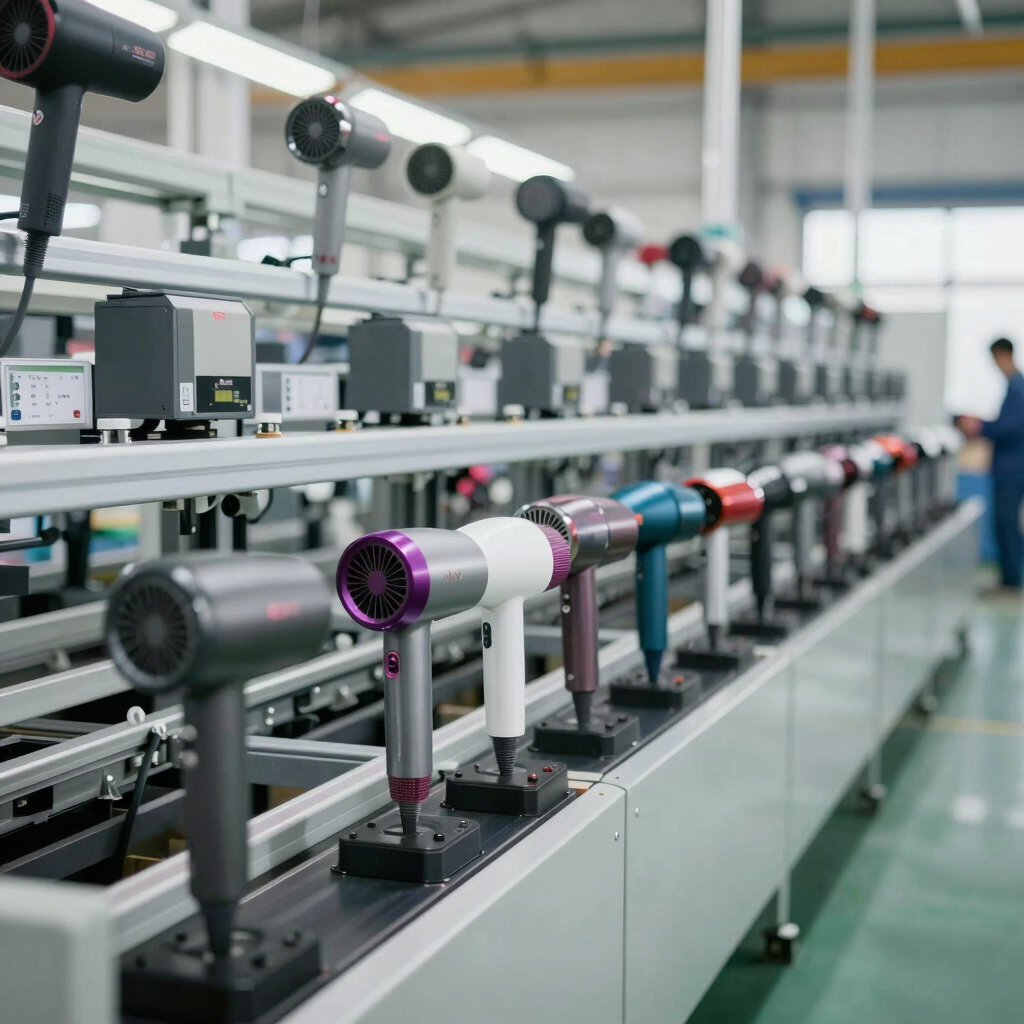
- Real-time inspection during assembly
- Functional testing at key stages
- Process consistency monitoring
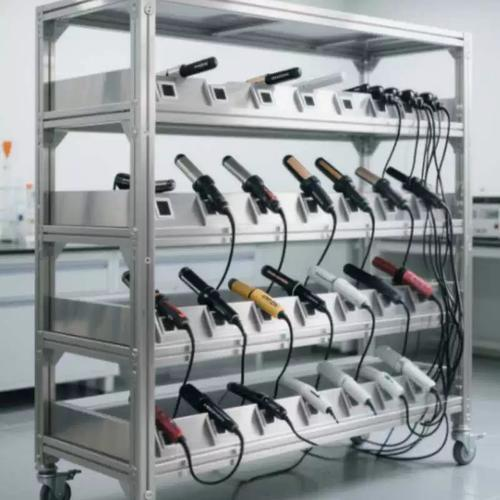
Final Quality Control (FQC)
- 100% functional testing
- Visual inspection of finished products
- Packaging verification
Outgoing Quality Control (OQC)
- Random batch inspection before shipment
- Carton and labeling check
- Shipment readiness verification
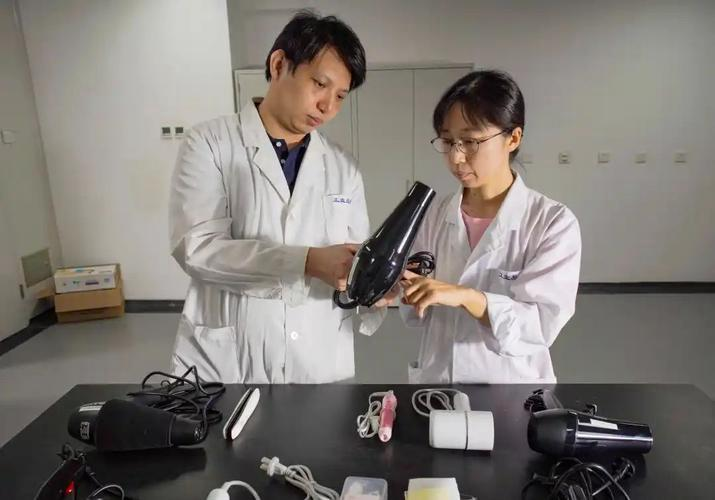
Testing & Inspection Standards
Each product undergoes multiple tests to ensure safety, durability, and performance consistency.
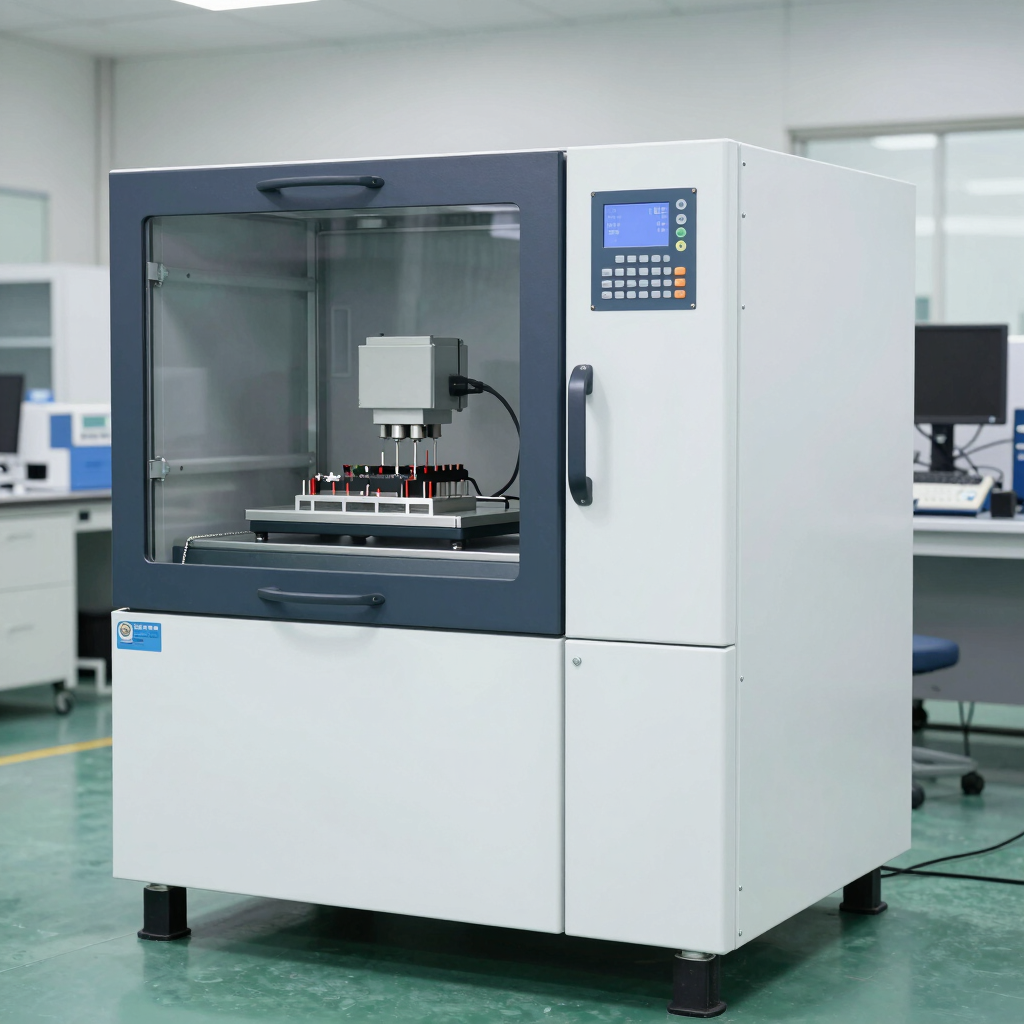
Testing Includes:
- Heating performance testing
- Temperature stability testing
- Electrical safety testing
- Drop and durability testing
- Cable bending and lifespan testing
Quality Performance
Data Points:
- Defect Rate: < 0.5%
- 100% Functional Testing
- Stable Batch Consistency
- Low After-Sales Issue Rate
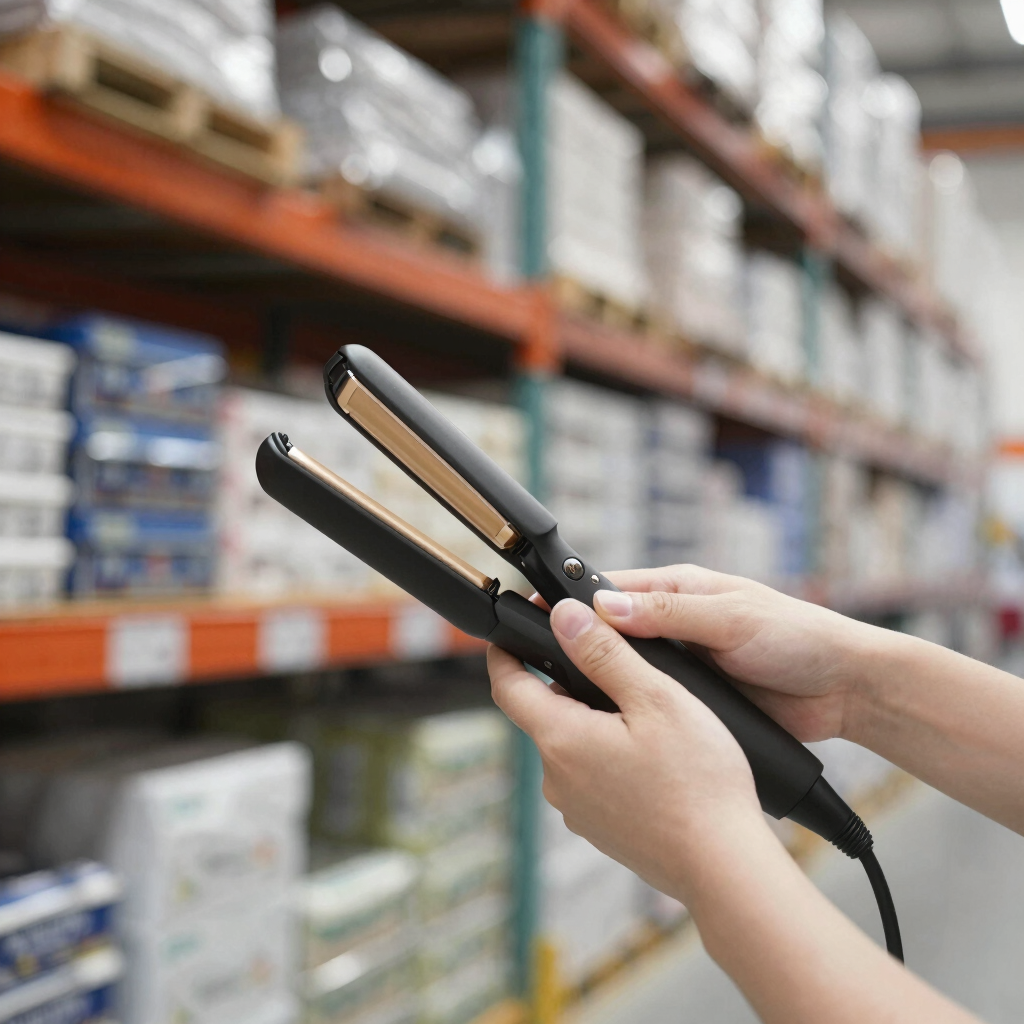
Supplier Quality Control
We work with qualified suppliers and maintain strict control over incoming materials to ensure consistency from the source.
Approved Suppliers
We work with suppliers which offers stable quality parts over 5 years at least.
Material Inspection
Every batch undergoes thorough quality checks.
Approved supplier system
We build lasting relationships with trusted suppliers.
Continuous Improvement
We refine processes using data and feedback to cut defects.
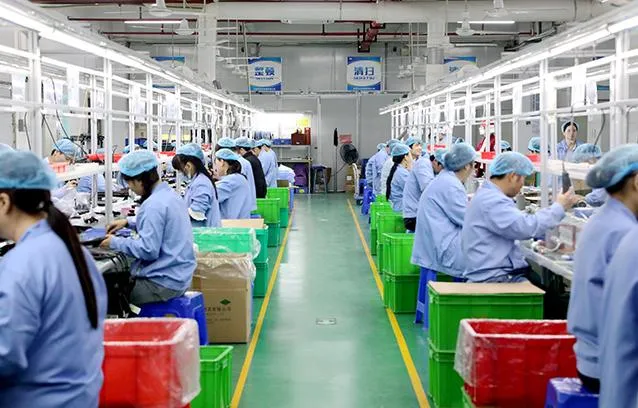
Root cause analysis for defects
We use 5-Whys and fishbone diagrams to dig into defect roots. For example, when 3% of curling irons overheated, we traced it to loose temperature sensor calibrations from a skipped maintenance step. Fixing this cut overheating defects to 0.1% within a month, proving our focus on systemic fixes, not quick patches.
Process optimization
We streamline workflows with Lean principles. Last quarter, we rearranged our assembly line layout, cutting the time to package a straightener by 12%. We also automated cable testing, reducing manual errors by 80%. These tweaks boost output by 15% monthly while keeping quality strict, showing we turn inefficiencies into competitive edges.
Feedback-driven improvements
We act fast on customer and team feedback. A salon chain noted our curling iron grips slipped when wet—we added a textured rubber coating within two months. Our assembly team suggested a simplified screw design, cutting assembly time by 10%. Every voice fuels tweaks that make our tools more reliable and user-friendly.
Why Quality Control Matters
Reliable quality reduces returns, protects your brand reputation, and improves customer satisfaction.
Working with a factory that maintains consistent standards helps you scale with confidence.
Work With a Factory That Prioritizes Quality
Contact us today to learn how we ensure consistent quality for every order.